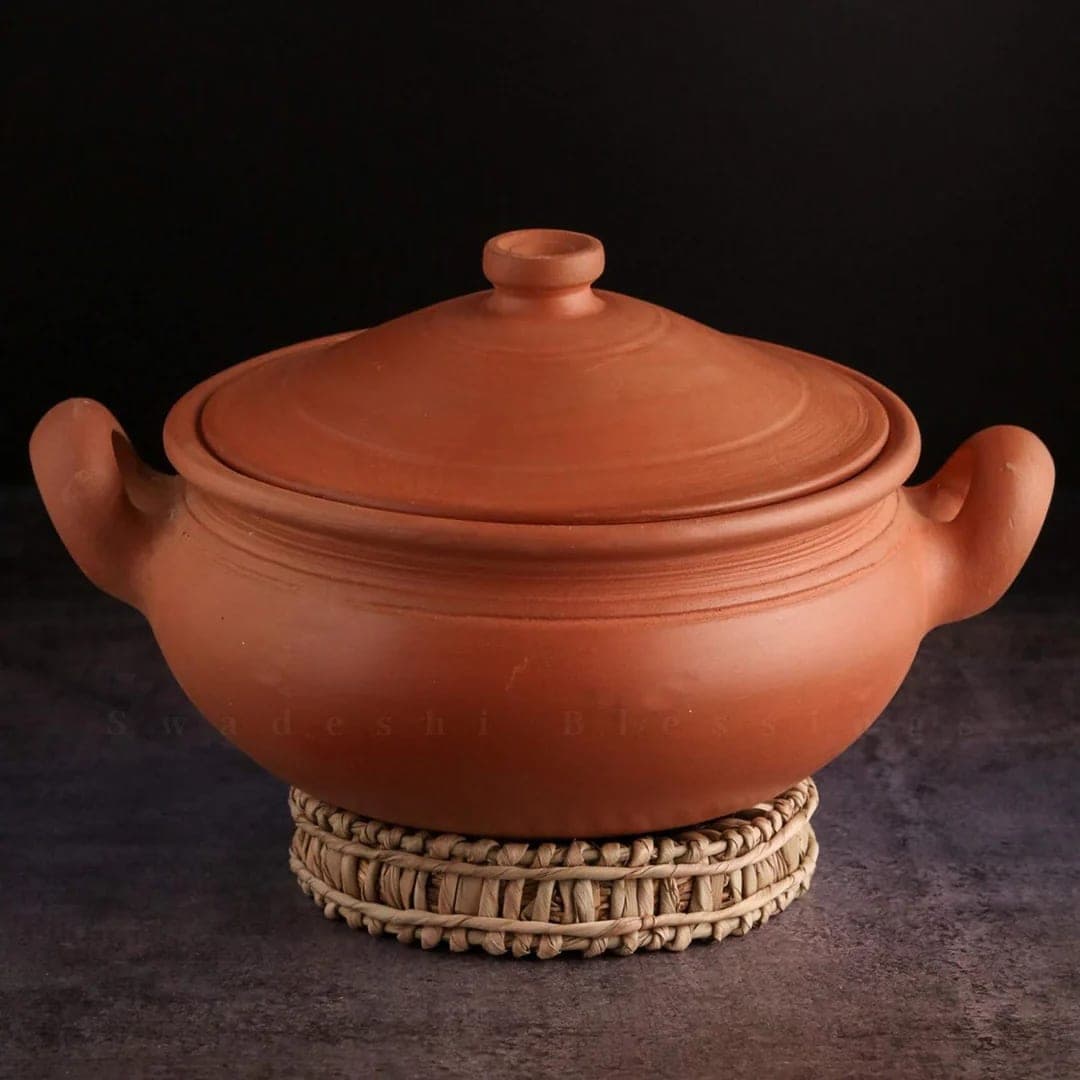

Why Your Kitchen Needs a Clay Pot Revival
If you’ve ever wondered why your grandmother’s fish curry tasted like a masterpiece while yours feels like "just another meal," the secret isn't just in the spices. It’s in the vessel.
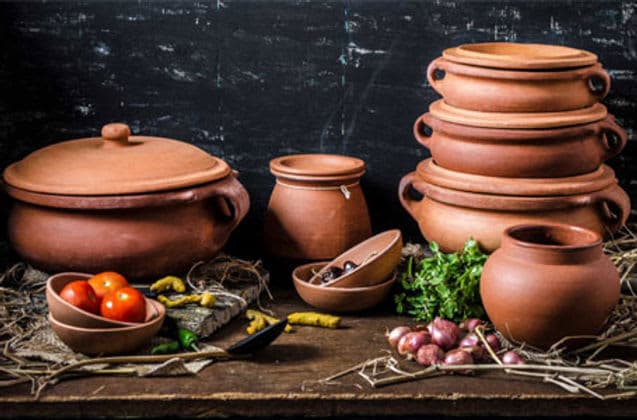
1. The pH Balancer: Nature’s Own Antacid
One of the most remarkable properties of clay is that it is naturally alkaline. Sri Lankan cuisine is famous for its bold use of acidic ingredients like lime, tamarind, and Goraka.
When you cook in a metal pot, that acidity remains sharp. However, clay reacts with the acid in the food, neutralizing the pH balance. This doesn't just make the food easier on your stomach; it coaxes out a natural sweetness and depth of flavor that metal simply can’t replicate. It’s chemistry you can taste.
2. The Porous Advantage: Breathable Cooking
Unlike metal, which is a solid, impenetrable barrier, clay is porous. As the pot heats up, moisture and heat circulate through these microscopic pores.
This creates a "self-basting" environment. Instead of the moisture escaping as steam (leaving your meat or vegetables dry), it stays trapped within the walls of the pot. This is why food cooked in clay stays incredibly tender and moist without the need for excessive oils or fats.
3. Thermal Inertia: The Art of the Slow Simmer
Metal is a fast conductor—it heats up quickly and cools down even faster. This often leads to "hot spots" that can scorch your spices.
Clay is a slow, steady provider. It takes a moment to warm up, but once it reaches temperature, it distributes heat with absolute uniformity. Even after you turn off the stove, a clay pot will continue to simmer for several minutes. This gentle "carry-over" cooking allows the spices to penetrate deep into the ingredients, resulting in a much more integrated flavor profile.
4. Safety Without the Acronyms
When we use modern "non-stick" cookware, we often worry about PFOAs, PFAs, and the "forever chemicals" that flake off over time. Even some metals can leach aluminum or nickel into highly acidic foods.
Clay is inert. It doesn't off-gas toxic fumes at high temperatures, and it doesn't shed synthetic particles into your dinner. It is a pure, mineral-rich material that has been used for millennia without a single recall.
A Sensory Connection
Beyond the science, there is the soul of the experience. There is something deeply grounding about the sound of a wooden spoon against a clay rim and the earthy aroma that fills the kitchen.
Using clay is a reminder to slow down. It’s a rejection of "fast-food" culture in favor of something more intentional, more flavorful, and—most importantly—more authentic.
Featured in this Journal